
Reading Habits for Kids: How to Build a Routine at Home
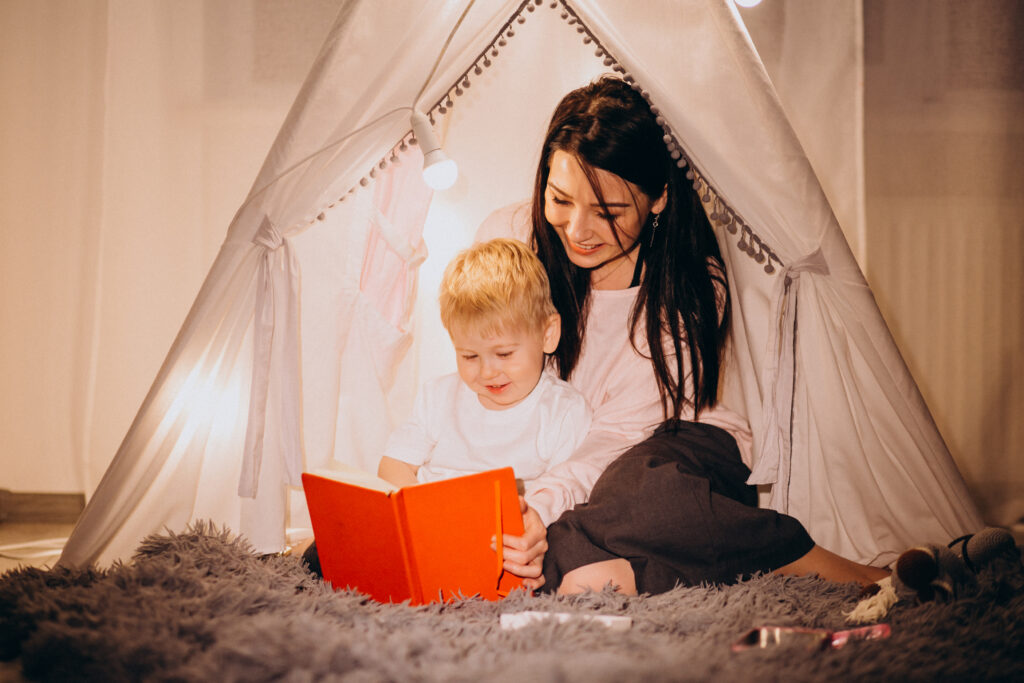
A story before bedtime. A recipe read together. A question about a character who lives somewhere new. Reading can become part of family life through small, enjoyable moments.
Building reading habits for kids starts with creating opportunities to explore words and ideas regularly. Families do not need a complicated schedule or a room full of books. A comfortable place, a few interesting choices, and time together can provide a useful starting point.
For families in Indian Land and beyond, these practical ideas can help make reading a familiar and welcoming part of the day.
Make Reading at Home Part of Your Family Routine
Reading at home works best when it fits naturally into your family’s day. Choose a time that feels manageable, whether that is after an afternoon snack, before bedtime, or during a quiet weekend morning.
Begin with a short session your child can comfortably enjoy. Ten minutes can be a practical starting point, but the goal is to find a routine that fits your family rather than meet a fixed target.
Keep a book near the place where you usually read. Having it within reach makes it easier to begin without searching for materials. If you miss a day, simply return to the routine at the next opportunity.
Build Reading Habits for Kids Around Their Interests
Children have different interests, and those interests can help guide book choices. A child who enjoys animals might choose a wildlife book. Someone who loves building may prefer a story about inventions or an illustrated guide to how things work.
Offer a few options instead of selecting every book yourself. Picture books, poetry, comics, biographies, and informational books can all have a place in a home reading collection.
A library visit is an opportunity to explore without needing to buy something new. Let your child browse, revisit familiar favorites, and ask a librarian for suggestions.
Explore Stories from Different Places
Books can introduce children to settings, languages, traditions, and experiences beyond their own daily lives.
Choose stories from a range of authors and communities, including books that reflect your family’s experiences. Talk about the characters as individuals, remembering that one story does not represent everyone from a country or culture.
Try questions such as:
What feels familiar about this character’s day?
What would you like to learn more about?
Which part of the setting would you like to visit?
What would you ask the character if you could meet them?
If your family uses more than one language, include books and conversations in the languages you feel comfortable sharing.
Read Together Without Turning Every Page into a Test
Reading aloud can be a shared activity even when children are beginning to read independently. You might take turns reading pages, choose different character voices, or pause to enjoy an illustration.
Keep conversations relaxed. Instead of asking a question after every paragraph, invite your child to share a favorite moment or something surprising.
When a word is unfamiliar, offer help without interrupting the flow more than necessary. You can briefly explain it, look for clues together, or return to it after finishing the passage.
Let Your Child See You Reading
Everyday reading gives children examples of how people use written information. You might read a recipe, check instructions, enjoy a novel, or learn about a place you plan to visit.
Share a brief observation: “I’m reading this to find out how to grow tomatoes,” or “This description helped me picture the scene.”
The goal is to make reading visible as something useful and enjoyable throughout life.
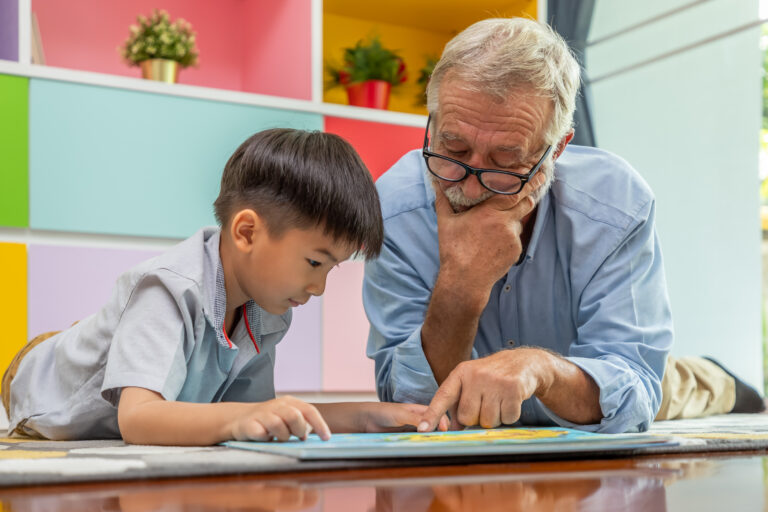
Keep the Experience Flexible
Some days your child may want to reread a favorite story. On other days, a short poem or a few pages may be enough.
Avoid making every reading session a competition or requiring a worksheet afterward. An optional drawing, conversation, or recommendation to another family member can provide a natural way to respond.
Sustainable reading habits for kids leave room for changing interests, busy evenings, and different reading preferences.
Take One Small Step This Week
Invite your child to choose a book and decide when you will read together. Start with a routine you can realistically repeat, then adjust as you learn what works.
If choosing suitable books feels difficult, ask your child’s teacher or a librarian for guidance.
Families interested in Harrisburg Global Academy can explore the school website to learn more about the school and find information for prospective families.