
10 Proven Homework Habits that Improve Grades
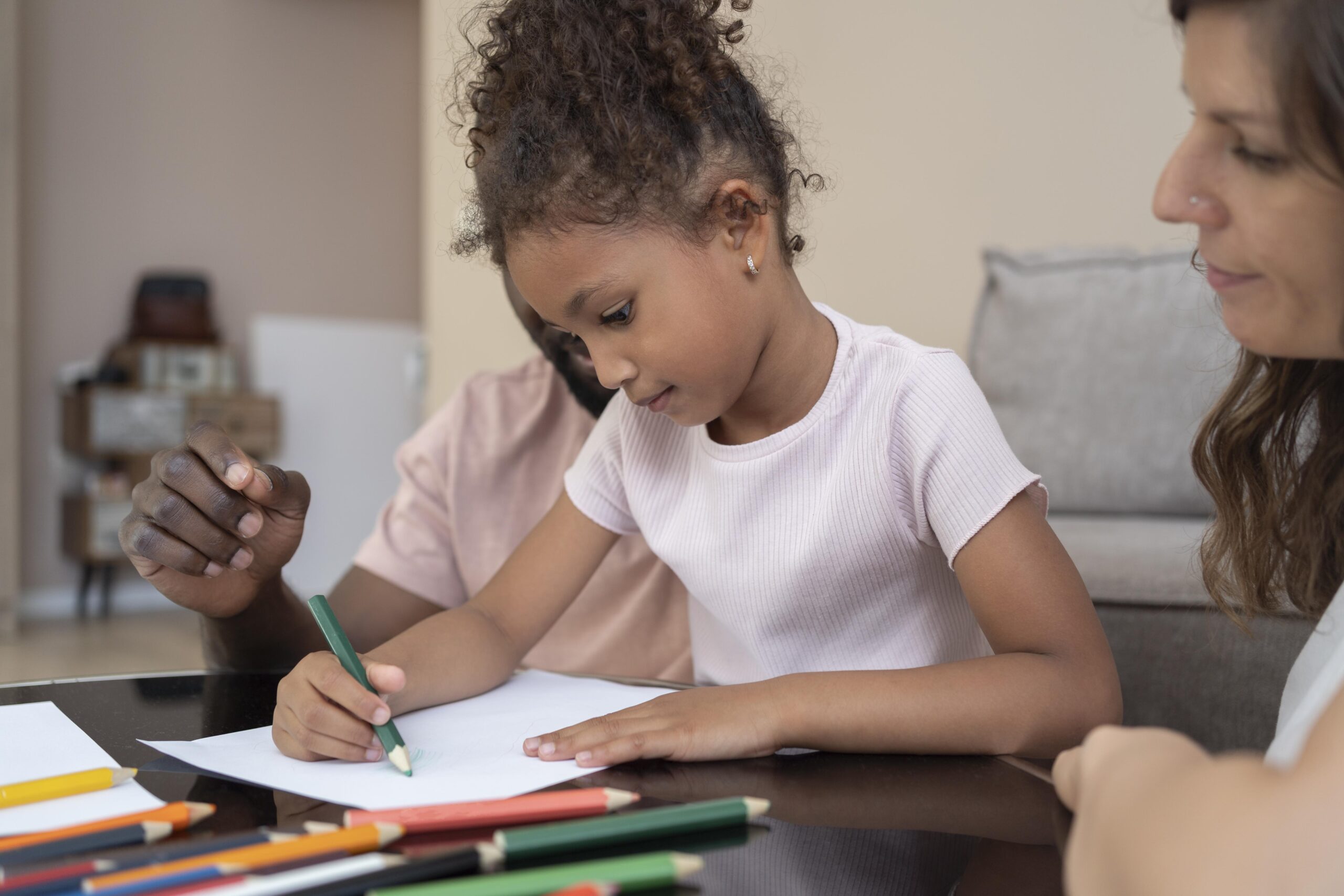
One of the most effective ways to support academic success is by developing strong homework habits. While every child learns differently, consistent routines and positive study habits can improve grades, reduce stress, and help students become more confident learners. Whether your child is in elementary or middle school, building healthy learning habits at home can make homework more productive and enjoyable while preparing students for long-term success.
Why Good Homework Habits Matter
Good homework habits help students develop responsibility, organization, and confidence. Over time, these healthy study habits improve classroom performance while teaching valuable life skills like time management and self-discipline.
1. Create a Consistent Homework Schedule
One of the best homework habits students can develop is completing homework at the same time each day. A consistent homework routine helps children know what to expect, reduces procrastination, and creates structure that makes learning less stressful. Choose a time when your child is alert and focused to build a routine they can maintain throughout the school year.
2. Designate a Quiet Study Space
A quiet study space helps students stay focused and complete assignments more efficiently. Choose a comfortable area with good lighting and keep school supplies nearby. Creating this environment encourages better study habits and makes homework feel like a natural part of the daily routine.
3. Limit Distractions
Reducing distractions such as televisions, mobile phones, or video games allows students to concentrate on learning. A focused environment helps children complete assignments more efficiently while developing healthy homework habits that improve classroom performance.
4. Break Large Assignments into Smaller Tasks
Long-term projects become less overwhelming when divided into smaller, manageable steps. Encourage your child to complete one section at a time while celebrating progress along the way. This simple strategy teaches time management, reduces stress, and helps students build confidence as they complete larger assignments.
5. Encourage Reading Every Day
Reading for just 20 minutes each day strengthens vocabulary, comprehension, writing skills, and overall academic confidence across every subject. Encourage children to read books that match their interests, whether it’s science, adventure, biographies, or history. Reading together as a family can also make learning enjoyable while building strong literacy skills that support classroom success. Families can also explore free reading resources and literacy tips through Reading Rockets, a nationally recognized resource for helping children become confident readers.
6. Teach Organization Skills
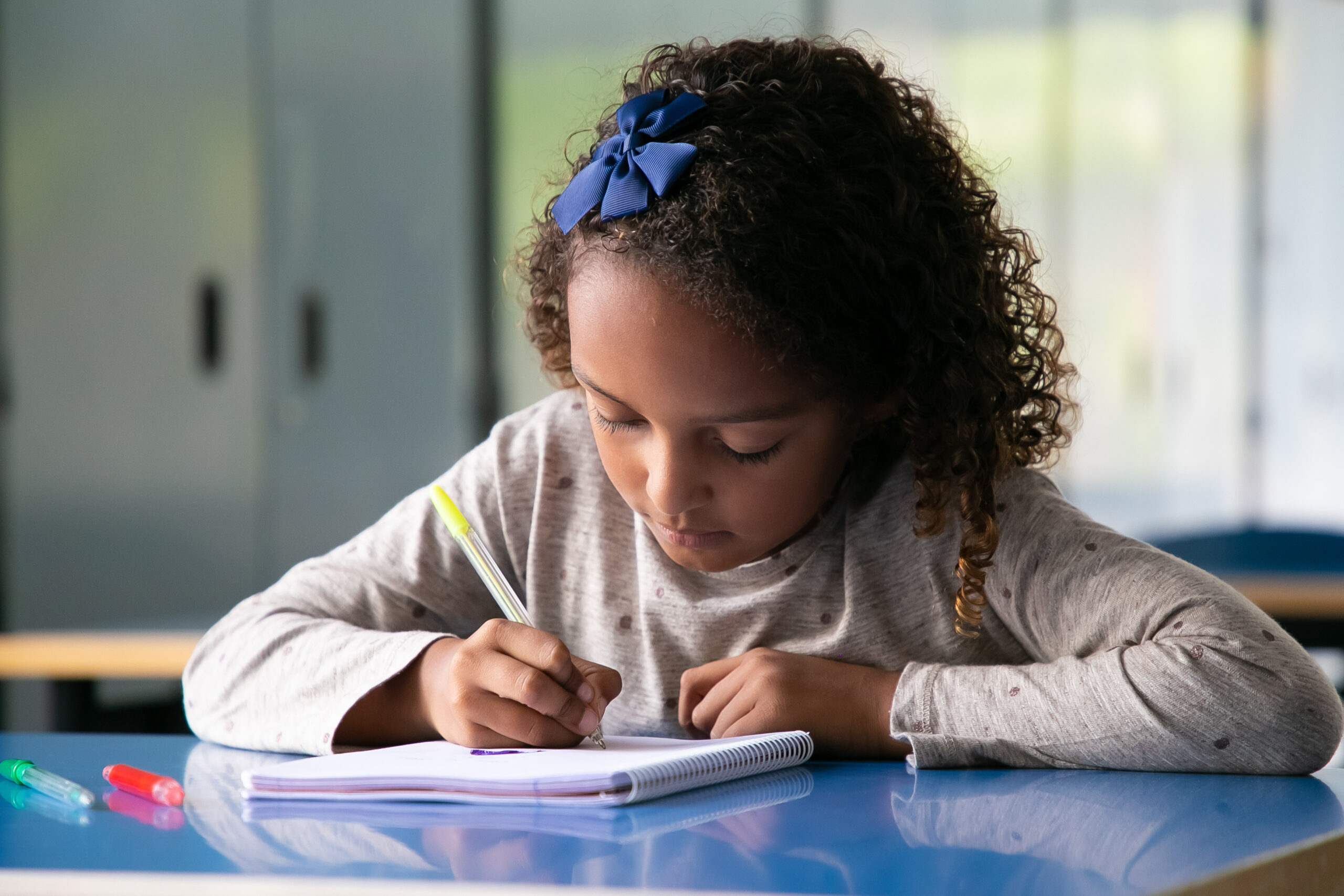
Using folders, planners, calendars, or homework checklists helps students keep track of assignments and deadlines while reducing forgotten work. Developing strong organizational skills encourages responsibility and independence while preparing students for greater academic expectations as they grow.
7. Allow Children to Solve Problems Independently
Instead of immediately providing answers, ask questions that guide your child toward finding the solution independently. This builds confidence, critical thinking, and resilience. Learning how to work through challenges on their own helps students become more confident learners and prepares them for future academic success.
8. Take Short Breaks When Needed
For longer homework sessions, short breaks help students recharge and maintain focus. Even five minutes of stretching, walking, or getting a drink of water can improve concentration and reduce frustration. Returning to homework with a refreshed mind often leads to better productivity and stronger learning outcomes.
9. Celebrate Effort, Not Just Grades
Praise persistence, responsibility, and improvement rather than focusing only on test scores. Positive reinforcement encourages children to continue practicing healthy homework habits while building confidence and motivation to keep learning.
10. Stay Connected with Teachers
Parents and teachers work best as partners. The U.S. Department of Education also emphasizes the importance of family engagement in supporting student achievement. Communicating regularly helps families understand classroom expectations, upcoming projects, and areas where additional support may be helpful.
Building Success One Homework Assignment at a Time.
Every child develops homework habits at their own pace, and consistency is more important than perfection. Positive homework habits not only improve grades but also build confidence, responsibility, and a lifelong love of learning. By creating positive routines, encouraging curiosity, and celebrating progress, parents can help children become confident, independent learners. These small daily habits don’t just improve grades, they help students develop responsibility, resilience, and confidence that will benefit them throughout their education and beyond.
Helping Students Succeed at Harrisburg Global Academy
At Harrisburg Global Academy, we believe strong homework habits begin with strong partnerships between families and educators. Our teachers encourage students to develop organization, responsibility, critical thinking, and lifelong learning habits both inside and outside the classroom.
Through our workshop-based learning model, world language opportunities, dedicated student support services, and a welcoming K-6 school community, students receive the guidance and encouragement they need to grow academically while building confidence and independence.
Whether your child is completing homework, developing leadership skills, exploring new cultures through language learning, or preparing for future academic challenges, our goal is to inspire curiosity, collaboration, and a lifelong love of learning.
Interested in learning more about Harrisburg Global Academy? Explore our academic programs, learn about our workshop-based learning model, or begin your enrollment journey today.